
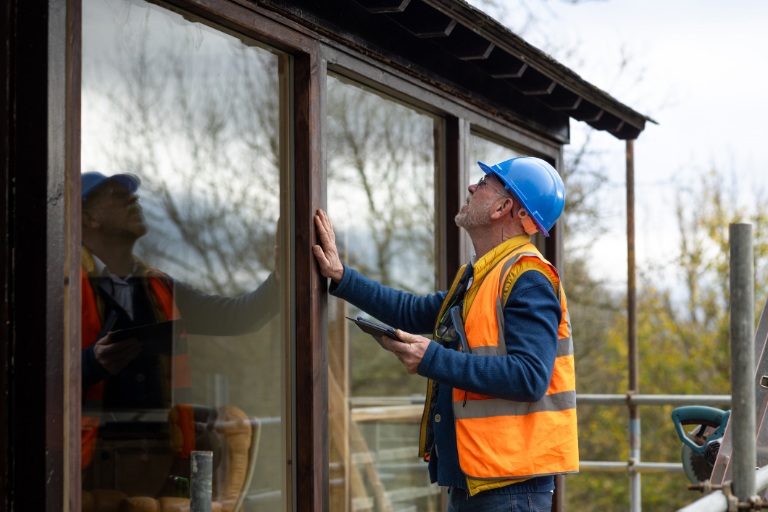
Starting the inspection process right because every great home decision begins with clarity.
A home inspection can make or break a real estate deal, but more importantly, it protects one of the biggest investments you’ll ever make. Whether you’re buying, selling, investing, or navigating the process for the first time, understanding home inspections in Illinois is essential to making informed decisions and avoiding costly surprises down the line.
This guide is designed for everyone in the Illinois real estate market: buyers looking for peace of mind, sellers aiming to reduce negotiation hurdles, investors scouting for sound properties, and first-time homebuyers trying to make sense of the process. Let’s demystify what home inspections involve, what’s required in Illinois, and how to make the most of your inspection report.
Table of Contents:
- What is a Home Inspection?
- Illinois Home Inspection Requirements & Standards
- What’s Included in a Typical Home Inspection
- Common Issues Found in Illinois Homes
- What Buyers Should Do with the Report
- Seller’s Guide to Preparing for a Home Inspection
- How to Choose a Home Inspector in Illinois
- Prepare for Home Inspections with a Professional You Can Trust
WHAT IS A HOME INSPECTION?
A home inspection is a thorough visual examination of a property’s physical structure and major systems, typically performed by a licensed professional. Its purpose is to assess the condition of the home and identify any issues, both big and small, that could affect its safety, livability, or value.
Home Inspection vs. Appraisal
It’s important to distinguish between an inspection and an appraisal. An appraisal determines a property’s value for the lender. A home inspection, on the other hand, focuses on the property’s condition and is intended to protect the buyer’s interests.
Sellers may also choose to conduct a pre-listing inspection before putting their home on the market. This can help uncover and address problems in advance, potentially speeding up the sale and minimizing last-minute negotiations.
When Inspections Happen in the Transaction Timeline
In Illinois, home inspections usually occur shortly after the offer is accepted and during the attorney review or contingency period. This gives buyers time to renegotiate or walk away if the inspection reveals major problems.
ILLINOIS HOME INSPECTION REQUIREMENTS & STANDARDS
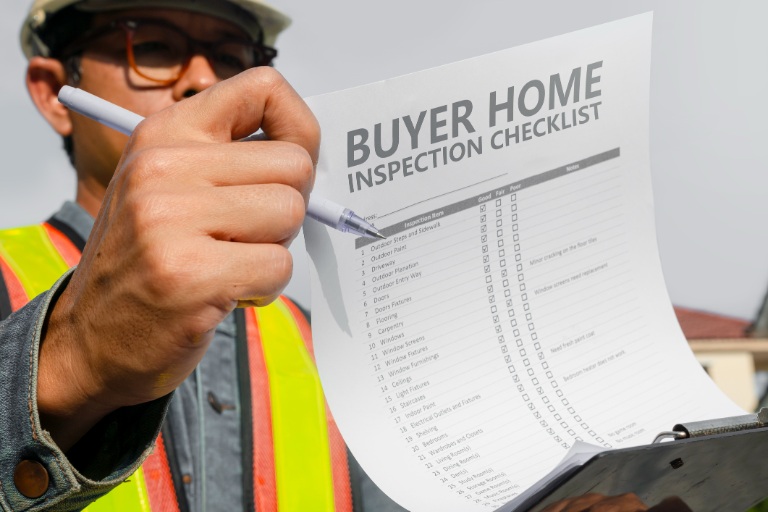
Licensed inspectors in Illinois follow strict state standards.
Illinois is a regulated state when it comes to home inspections, which means inspectors must be licensed and follow specific standards set by the Illinois Department of Financial and Professional Regulation (IDFPR).
Licensing Requirements
To become a licensed home inspector in Illinois, professionals must complete approved training, pass a state exam, and meet ongoing continuing education requirements. This ensures that inspectors have the skills and knowledge necessary to identify potential issues accurately.
What the Law Mandates
By law, licensed home inspectors in Illinois are required to inspect and report on the following systems and components:
- Structural integrity (foundation, framing, walls)
- Roofing systems (materials, flashings, drainage)
- HVAC (heating, ventilation, and air conditioning)
- Plumbing (visible pipes, water heaters, fixtures)
- Electrical (panels, outlets, visible wiring)
- Interiors (floors, ceilings, windows, doors)
- Insulation and ventilation (including attics and crawl spaces)
IDFPR Standards and Limitations
The IDFPR outlines what an inspector is (and is not) required to do. For instance, inspectors are not expected to move furniture, test for mold unless specifically contracted, or predict future failure of systems. Cosmetic defects, landscaping, or inaccessible areas (like sealed crawl spaces or locked rooms) may also fall outside the scope of a standard inspection.
WHAT’S INCLUDED IN A TYPICAL HOME INSPECTION
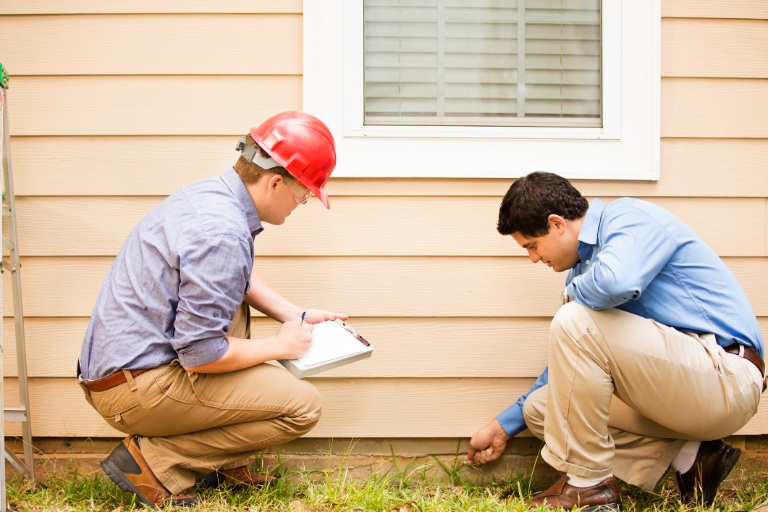
Inspectors assess everything from the foundation to the roof, covering key systems that keep a home safe, sound, and functional.
A home might look picture-perfect on the surface, but a skilled inspector knows how to dig deeper, past the paint and polish, to reveal what’s really going on beneath the drywall and shingles. Think of a home inspection as a comprehensive physical for the property, where every system gets a checkup and no major detail is overlooked.
Here’s what a typical home inspection in Illinois includes:
-
Foundation and structure: The bones of the home
Inspectors start from the ground up, literally. They’ll look for cracks in the foundation, signs of settling, or anything that could point to structural instability. A crooked floor or shifting beam might seem small now, but could lead to major headaches down the road.
-
Roof and gutters: The first line of defense
In a state like Illinois, where snow, hail, and ice are part of the package, the roof matters a lot. Inspectors check for damaged or missing shingles, rusted flashing, and sagging gutters. If water can sneak in, so can mold, rot, and roof leaks.
-
Plumbing systems: What flows, what leaks
From the water heater to visible pipes under sinks, the inspector looks for leaks, corrosion, poor water pressure, or signs of outdated materials. Illinois homes with galvanized pipes or aging water heaters are flagged for future replacement.
-
Electrical systems: Safety behind the scenes
Faulty wiring isn’t just inconvenient, it’s dangerous. Inspectors evaluate service panels, test outlets, check for overloaded circuits, and ensure that safety measures like GFCI outlets are installed where required, especially in kitchens, bathrooms, and basements.
-
Heating and cooling: Comfort and efficiency
HVAC systems get a close look to determine age, maintenance history, and performance. An older furnace or an underperforming A/C unit might work now, but could be one bad winter away from failure.
-
Interior details: More than just aesthetics
Walls, ceilings, windows, doors, and flooring are checked for damage, water staining, improper installation, or shifting that could indicate larger structural issues. Even sticky doors can hint at movement in the home’s frame.
-
Included appliances: Not just window dressing
If the appliances are part of the sale, they’re inspected too. That includes dishwashers, ovens, cooktops, and sometimes even washers and dryers, ensuring everything functions and is safely installed.
-
Attic and insulation: The silent energy savers
An inspector will climb into the attic to check for adequate insulation, proper ventilation, moisture intrusion, and signs of pests. A poorly insulated attic could be costing the homeowner hundreds in energy bills.
-
Basement and crawl spaces: Where problems hide
These areas are hotspots for moisture, mold, and structural issues. Inspectors check for signs of standing water, wood rot, deteriorated joists, or any evidence of pest activity.
-
Exterior and garage: Beyond curb appeal
Siding, soffits, porches, decks, and garages are all part of the inspection. Inspectors will check for wood rot, loose railings, cracking, and other issues that affect safety or structural integrity.
-
Safety features: The must-haves
Inspectors check for safety features like working smoke and carbon monoxide detectors, handrails on staircases, and properly functioning garage door sensors to ensure the home is not just comfortable, but safe.
Home inspections in Illinois are visual and non-invasive. Inspectors are not required to move heavy furniture, lift carpeting, dismantle systems, or access areas that are unsafe or obstructed. They also do not guarantee the remaining life spans of components. Rather, they focus on identifying current, visible issues.
While inspections are not legally required in the state, they are strongly recommended. Most buyers include an inspection contingency in their contract to protect their investment and avoid surprises.
COMMON ISSUES FOUND IN ILLINOIS HOMES
No home is perfect, and that’s okay. Now that you know what inspectors will usually look at, it’s time to talk about what could be found.
The goal of a home inspection isn’t to find a flawless property, but to uncover what’s typical, what needs attention, and what can be managed with the right knowledge and care. In Illinois, where four distinct seasons shape the landscape (and the homes), certain things pop up more frequently than others. The good news? Most are common, fixable, and often negotiable during the buying process.
Water Intrusion and Drainage
Basements are common in Illinois, and so is moisture. Inspectors often find signs of past or potential water intrusion, whether it’s pooling rainwater from heavy spring storms or slow seepage from poor yard grading.
The key is identifying how well the home manages water. Sump pumps, drain tiles, and proper gutter systems can make all the difference. If there are signs of dampness or past leaks, they’re often manageable with improved drainage or sealing solutions.
Roof Wear and Weather Impact
From summer storms to icy winters, Illinois roofs see it all. Inspectors frequently note aging shingles, hail damage, or worn flashing. While this might sound serious, roof wear is often a matter of age, and replacement or repair is a natural part of homeownership. Many issues are routine, and with a little foresight, they can be budgeted for or addressed before move-in.
Foundation Cracks
A few cracks in the foundation? It’s more common than you’d think, especially in older homes or those built on clay-rich soil, which expands and contracts with moisture levels. Most cracks are harmless, but a trained inspector knows how to spot the ones that warrant further evaluation. Foundation concerns can often be addressed with drainage improvements, tuckpointing, or sealing, and rarely spell doom for a deal.
Aging HVAC Systems
In many Illinois homes, especially those built more than 20 years ago, HVAC systems may be reaching the end of their service life. While they may still be functioning, an inspector can help gauge whether you’ll need to budget for a replacement in the near future. Many sellers offer credits for older units, and buyers have the opportunity to upgrade systems for better energy efficiency post-closing.
Electrical Updates in Older Homes
Vintage charm sometimes comes with vintage wiring, unfortunately. In older Illinois homes, inspectors may find outdated panels, missing GFCI outlets, or knob-and-tube wiring that no longer meets today’s safety standards. The upside? These issues are usually straightforward to fix and can be resolved by a licensed electrician. Catching them early gives buyers peace of mind and a clearer picture of potential upgrade costs.
Signs of Pests or Rodents
Mice and ants occasionally make their way into homes, especially during the colder months. Inspections may uncover droppings, chewed insulation, or past treatment efforts. While this can sound alarming, pest control is highly effective and often part of routine home maintenance. Most infestations are minor and easily managed with sealing, traps, or professional treatment.
Elevated Radon Levels
Radon is a naturally occurring radioactive gas that can accumulate in homes, particularly in parts of Southern and Central Illinois. While it’s odorless and invisible, it can be detected through a radon test. If elevated levels are found, mitigation systems can be installed for around the cost of a new appliance. Many Illinois buyers negotiate radon remediation as part of their purchase agreement.
WHAT BUYERS SHOULD DO WITH THE REPORT
Once the inspection is complete, the buyer will receive a detailed written report, usually within a day or two. Here’s what to do with it:
- Interpreting the findings. Not all issues carry the same weight. A sticky door or minor drywall crack might be cosmetic, but foundation issues, roof leaks, or faulty wiring require immediate attention.
- Prioritizing repairs or credits. Work with your real estate agent to determine which items to request as repairs, which to ask for credit on, and which to accept as-is. Focus on safety issues, structural defects, or expensive repairs.
- Negotiating or walking away. If serious problems are uncovered, the buyer has the right to renegotiate the purchase price, request repairs, or even walk away without penalty during the contingency period.
- When to schedule follow-up inspections. In some cases, a general home inspection may recommend further evaluation like a chimney scope, mold test, sewer scope, or roofing assessment.
Related read: Your first home in Illinois: Essential tips and guidance for new buyers
SELLER’S GUIDE TO PREPARING FOR A HOME INSPECTION
A smooth inspection can help ensure a smooth sale. Sellers can take several proactive steps to prepare:
- Consider a pre-listing inspection. Some sellers opt for their own inspection before listing to uncover issues early and address them before buyers get involved.
- Clean and declutter. Ensure inspectors have clear access to major systems, attic entrances, crawl spaces, and utility panels.
- Fix obvious problems. If you’ve been meaning to replace that leaking faucet or secure a loose handrail, do it before the inspector arrives.
- Ensure utilities are accessible. Make sure gas, water, and electricity are turned on—even if the home is vacant—so systems can be properly tested.
- Leave records and manuals. A folder with appliance manuals, service records, and warranties shows the buyer you’ve taken care of the home.
Related read: Now is the Time to Sell Your Home
HOW TO CHOOSE A HOME INSPECTOR IN ILLINOIS

Choosing the right inspector means hiring a licensed pro who knows what to look for.
Not all inspectors are created equal. Read on to find a qualified professional you can trust.
Verify Licensing and Insurance
As mentioned, in Illinois, inspectors must be licensed through the IDFPR. Always verify credentials and ensure your inspector carries both liability and errors & omissions (E&O) insurance.
Ask Key Questions
- How many years have you been inspecting homes in Illinois?
- Can I see a sample report?
- Do you offer add-on services like radon testing or thermal imaging?
Where to Find Reliable Inspectors
- Ask your real estate agent for referrals
- Check local online reviews and Better Business Bureau ratings
- Use directories from industry associations like the American Society of Home Inspectors (ASHI) or the International Association of Certified Home Inspectors (InterNACHI)
- Get connected through a real estate professional like Cory Capps.
Optional Add-Ons
Consider these common extras:
- Sewer line scope
- Mold testing
- Lead-based paint evaluation
- Well or septic inspections (if applicable)
- Radon testing (highly recommended in Illinois due to known risk zones)
COSTS & TIMEFRAMES
How much does a home inspection cost in Illinois?
In Illinois, a typical home inspection costs between $300 and $600, depending on the property’s size, age, and location. Add-on services like radon or mold testing are usually billed separately, from $100 to $350 each.
How long does it take?
Most inspections last two to four hours, depending on the complexity of the home. Larger or older properties may take longer.
When will you get the report?
Many inspectors deliver digital reports within 24 hours, though some may take up to 48 hours depending on availability and scope.
PREPARE FOR HOME INSPECTIONS WITH A PROFESSIONAL YOU CAN TRUST
Understanding home inspections in Illinois is one of the smartest steps buyers and sellers can take. Inspections help buyers move forward with confidence, knowing exactly what they’re purchasing. For sellers, a well-prepared home inspection can prevent surprises and keep deals on track. It’s not about passing or failing—it’s about clarity, safety, and informed decision-making.
Navigating that process is a lot easier when you have someone you trust guiding the way. That’s where Cory Capps of Capps Realty comes in. With a background in nursing and a passion for helping people, Cory brings a unique level of care, attention to detail, and professionalism to every client relationship. He knows the Southern Illinois market inside and out and works tirelessly to advocate for your best interests.
Whether you’re planning to look at homes for sale in Mt Vernon, IL, sell a family property, or invest in the region, Cory is ready to help you approach every step—including inspections—with confidence. Contact 618.204.5260 or send a message to get started with a local expert who brings heart, soul, and mind to everything he does.