


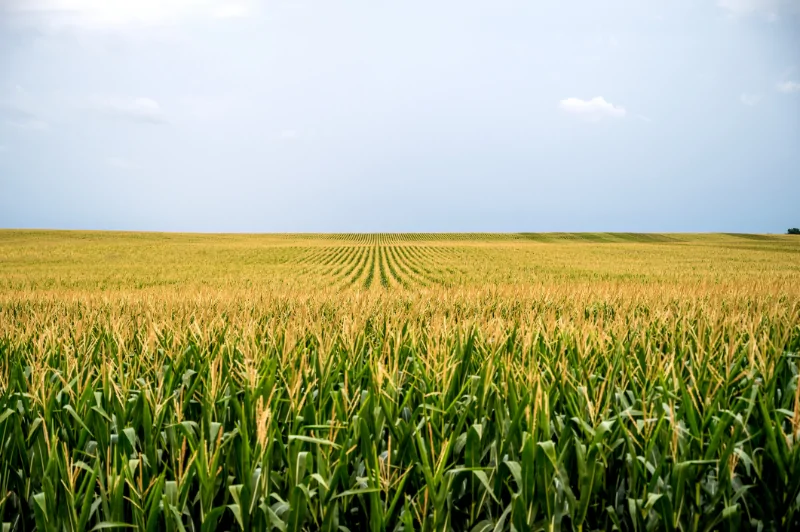
Rich, productive cornfields like this one showcase the fertile potential of farmland in Jefferson County.
Nestled in the heart of southern Illinois, Mt. Vernon is more than just a charming Midwestern city; it’s a gateway to fertile opportunity. Known for its rich agricultural heritage, Mt. Vernon offers a strategic location at the crossroads of Interstates 57 and 64, making it accessible for commerce, commuting, and community development. Its blend of small-town friendliness and robust agricultural infrastructure makes it an ideal place for anyone considering an investment in farmland.
This potential is further amplified by the surrounding Jefferson County, which boasts a diverse agricultural profile, from corn and soybeans to specialty crops and livestock operations. With a favorable climate, ample rainfall, and a strong support network of agri-services, the region has long been a pillar in Illinois’ agricultural economy.
Table of Contents:
- Why Farmland in Mt. Vernon is Gaining Attention
- Why Mt. Vernon, IL is Ideal for Farmland Buyers
- Types of Farmland Available
- Key Considerations Before Buying
- Understanding Mt. Vernon’s Farmland Market
- Working with Local Experts
- Legal and Regulatory Checklist
- Making the Offer and Closing the Deal
- Post-Purchase Tips and Next Steps
- Ready to Get Started? Contact Cory Capps
WHY FARMLAND IN MT. VERNON IS GAINING ATTENTION
In recent years, Mt. Vernon has been drawing attention from a new wave of buyers, first-time investors, seasoned farmers, and lifestyle purchasers alike.
Here’s why:
- Affordable entry prices: Compared to northern Illinois or nearby states, land in Mt. Vernon offers more acreage for the dollar.
- Strong ROI potential: As commodity prices remain solid and demand for food security grows, farmland continues to prove its worth as a stable, long-term investment.
- Recreational and multi-use appeal: Many properties offer more than farming potential—they’re perfect for hunting, fishing, and weekend retreats.
- Community and resources: Local extension offices, farm bureaus, and financing institutions are accessible and experienced, making the buying process smoother for newcomers.
Whether you’re planning to cultivate, lease, or simply hold a piece of rural tranquility, Mt. Venon, IL offers the ideal combination of location, value, and potential.
WHY MT. VERNON, IL IS IDEAL FOR FARMLAND BUYERS
-
Climate and soil: a proven foundation for crops
- Climate: Jefferson County enjoys a temperate growing season, with summer highs averaging around 88°F and winter lows near 22°F. Annual rainfall peaks in late spring, an ideal pattern for corn and soybeans.
- Soil: The region includes some of Illinois’ most fertile soils (deep, silty loams formed under prairie), which deliver excellent crop yields. Local soil-mapping (NRCS Web Soil Survey) confirms consistently high productivity ratings across the county.
-
Historical productivity and land use
Jefferson County has long supported a thriving agricultural economy. Most farmland here is actively used for corn, soybeans, and livestock. Soil productivity indices (PI) typically range in the low‑90s, indicative of solid, dependable yields for commodity and rotational crops. Conservation efforts and support from the Soil & Water Conservation District help preserve these working landscapes.
-
Connectivity: markets and infrastructure
- Highways: Mt. Vernon sits at the intersection of I‑57 (north–south) and I‑64 (east–west), offering prime access to regional grain elevators, seed suppliers, equipment dealers, and processors.
- Rail and freight: The city is served by major railroads (Union Pacific, BNSF, Norfolk Southern) and motor freight companies, along with Greyhound and South Central Transit services.
- Support services: Local presence of USDA Farm Service, Soil & Water Conservation District, and the Jefferson County Farm Bureau ensures buyers have plenty of expert guidance and infrastructure to support both short- and long-term operations.
-
Lower cost per acre
- Local listings: Farmland listings in Mt. Vernon average between $8,000 and $9,000 per acre for active farmland.
- Regional comparisons: In contrast, prime farmland in central and northern Illinois often commands $14,000 to $18,000 per tillable acre, with statewide averages ranging from $13,500 to $14,500.
- Value opportunity: Jefferson County’s estimated average farmland value of around $8,000 per acre reflects both soil type variety and affordability, offering a lower entry point for investors seeking strong ROI potential.
Together, these factors make Mt. Vernon an appealing choice for buyers, from full‑time farmers to investment-minded enthusiasts or recreational land seekers.
TYPES OF FARMLAND AVAILABLE

Mt. Vernon’s open grasslands are ideal for livestock, offering abundant space, natural forage, and strong market access for buyers seeking pasture land for cattle or mixed herds.
Whether you’re planning to grow cash crops, raise livestock, or seek a multi-use investment, Mt. Vernon, IL offers a diverse mix of farmland types. Understanding these options helps you align your purchase with both your goals and budget.
-
Row crop land
Row crop land dominates the landscape in Jefferson County and is ideal for producing corn, soybeans, wheat, and specialty crops. These tracts typically feature:
- High soil productivity indices (PI)
- Modern drainage systems and tiling
- Accessibility to nearby grain elevators and co-ops
Best for: Seasoned farmers, tenant-leasing investors, and long-term landholders looking for stable ROI from cash crops.
-
Pasture land for livestock
If you’re eyeing a livestock operation, Mt. Vernon offers rolling pasturelands and open grass fields suited for cattle, goats, or mixed herds. These parcels may include:
- Fencing and cross-fencing for rotational grazing
- On-site water sources like ponds or wells
- Proximity to livestock markets and feed suppliers
Best for: Livestock producers, dairy farmers, or anyone seeking a manageable ranching setup.
-
Recreational land with agricultural potential
For those seeking scenic views or hunting grounds, recreational tracts with agricultural potential are gaining traction. These properties often feature:
- Wooded areas and creek beds for wildlife habitats
- Open fields that can be leased or converted into row crops
- Flexible use rights, ideal for outdoor recreation and light farming
Best for: Outdoor enthusiasts, hunters, and buyers seeking land with passive income opportunities.
-
Multi-use properties (farm/hunting/residential)
Some properties combine tillable acreage, hunting grounds, and build-ready home or cabin sites, ideal for buyers who are exploring both houses for sale in Mt. Vernon, IL and farmland options in one transaction.
- Tillable acreage for farming or leasing
- Woods and water features for hunting or fishing
- Build-ready sites for homes, cabins, or barns
Best for: Buyers who want to live, farm, and play on the same land, or simply diversify their land investment portfolio.
KEY CONSIDERATIONS BEFORE BUYING
Before finalizing your farmland purchase in Mt. Vernon, IL, it’s crucial to evaluate both the visible features and the hidden factors that can impact land usability and investment value.
Here’s what you need to inspect:
-
Soil testing and land fertility
Soil quality can make or break your farm’s productivity. Request a comprehensive soil test (available through services like the NRCS or University of Illinois Extension) to analyze:
- pH levels
- Nutrient content (N, P, K)
- Organic matter levels
- Soil texture and drainage classification
Look for Productivity Index (PI) ratings, with numbers closer to 100 signaling high yield potential for row crops.
-
Water access and drainage
Water availability and drainage efficiency directly affect crop success and pasture usability:
- Check for natural water sources (ponds, creeks, wells)
- Confirm irrigation rights and access to municipal or rural water
- Inspect tiling and drainage systems, especially in flat fields
- Ensure there’s no flood risk, referencing FEMA flood maps or county floodplain data
-
Zoning laws and permitted land uses
Jefferson County enforces zoning regulations that define how land can be used. Make sure to:
- Check zoning classifications (Agricultural, Residential, Commercial, etc.)
- Understand permitted uses under each classification
- Verify building restrictions (e.g., setback requirements, minimum lot size)
- Consult local planning boards or zoning offices for proposed changes in land use plans
-
Topography and access roads
The land’s shape and accessibility influence ease of operation and resale value:
- Flat, gently rolling terrain is best for row crops
- Hilly or wooded terrain may favor grazing or recreational use
- Check for deeded road access and legal right-of-way
- Assess road conditions for equipment transport in all seasons
-
Property history and past usage
Understanding a property’s legacy helps identify red flags or added value:
- Request records of past crops, fertilizers, and herbicides used
- Investigate soil depletion or erosion history
- Check for old foundations, wells, or tanks that may require mitigation
- Explore potential eligibility for USDA programs or subsidies
-
Environmental restrictions or conservation easements
Certain properties may be under environmental protections that limit use:
- Check for conservation easements, which may restrict development
- Look for wetlands or protected habitats
- Confirm if the land is enrolled in federal programs like CRP (Conservation Reserve Program)
- Consult environmental compliance offices to avoid fines or limitations
UNDERSTANDING MT. VERNON’S FARMLAND MARKET
Affordable Entry Points
Mt. Vernon offers relatively affordable farmland, with a median land price of $8,500 per acre in Jefferson County. Prices vary depending on size, location, and features. Small residential or hobby plots may cost more per acre, while larger tracts typically offer better value. Listings range from $5,000 to over $180,000, reflecting a broad spectrum of land sizes and potential uses.
Size and Pricing Dynamics
Smaller properties (1 to 10 acres) often appeal to first-time buyers or recreational users, but often come with higher per-acre costs due to development potential. In contrast, larger acreages (20+ acres) are favored by commercial buyers for their lower per-acre price, though they require a greater upfront investment.
Property Taxes and Agricultural Relief
Jefferson County’s effective property tax rate is 2.38%, slightly above the Illinois average and more than double the national median. However, farmland may be eligible for tax relief under the Illinois Farmland Assessment Law, which bases taxes on soil productivity rather than market value, which can significantly lower ongoing costs.
Financial Options
Buyers can access financing through local banks, credit unions, or USDA Farm Service Agency (FSA) programs. FSA options are ideal for new and socially disadvantaged farmers, offering low down payments and subsidized rates. Private lenders and seller financing may also be available, especially for larger or legacy-owned properties.
Returns and Investment Potential
Farmland in Mt. Vernon offers income opportunities through cash crop leasing, recreational leases, or owner-operated farming, which allows full profit retention and eligibility for federal subsidies or tax benefits. With rising demand and limited supply, land in this area also provides strong long-term appreciation potential.
For anyone looking to invest, Mt. Vernon stands out as a financially accessible and strategic farmland investment option in Illinois.
WORKING WITH LOCAL EXPERTS


Partnering with local experts can make all the difference when buying farmland in Mt. Vernon, IL.
Buying farmland in Mt. Vernon is smoother and smarter with the right team of local professionals.
- Real estate agents: Local agents know the market, zoning laws, and often have access to off-market listings. They help negotiate fair deals and navigate paperwork.
- Agricultural consultants and appraisers: Consultants assess soil health, crop potential, and land management needs. Appraisers offer accurate valuations based on productivity and market data, which are vital for loans and investment planning.
- Attorneys: A land-savvy lawyer ensures contracts are sound, titles are clean, and easements or rights-of-way are clearly defined.
- Surveyors and soil experts: Surveyors confirm legal boundaries and access, while soil scientists provide detailed fertility analysis, crucial for crop success and development plans.
LEGAL AND REGULATORY CHECKLIST
Legal due diligence protects your investment. Don’t skip these essentials:
- Title and deed Review: Ensure the land for sale in Mt. Vernon, IL has a clear title, free of liens, easements, or disputes. Review the deed for restrictions and accurate boundary descriptions.
- Water rights: Confirm access to ponds, wells, or shared irrigation, and document all agreements.
- Zoning and use: Check zoning classification, permitted uses, and long-term development plans. Get written approval if planning construction or land conversion.
- State and county rules: Understand Illinois laws like the Farmland Assessment Act and Drainage Code. Jefferson County may have additional rules for setbacks, wells, and conservation areas.
MAKING THE OFFER AND CLOSING THE DEAL
Once you’ve found the right piece of farmland in Mt. Vernon, the next step is making a smart offer and ensuring a smooth path to closing. This phase requires strategy, careful inspection, and legal diligence.
Structuring the Offer: Contingencies and Due Diligence
A well-crafted purchase offer should include key contingencies that protect you during the buying process. Common clauses include:
- Financing contingency: Ensures you’re not locked in without confirmed funding.
- Inspection contingency: Gives you time to assess soil quality, water access, and structures.
- Survey contingency: Allows verification of boundaries and access rights.
- Title review contingency: Lets your attorney confirm a clean title before closing.
These contingencies create a window for due diligence, giving you the right to walk away or renegotiate if issues arise.
Inspections and Surveys
Before closing, complete all inspections to uncover potential risks or added costs:
- Soil testing for fertility and drainage
- Environmental checks for wetlands or contamination
- Boundary surveys to confirm acreage, right-of-way, and easements
- Well/septic evaluations, if applicable
Hiring licensed professionals for each of these inspections ensures the land is usable, compliant, and aligns with your goals.
Common Pitfalls to Avoid
Many land deals fall apart or lead to post-purchase regrets due to overlooked details. Here are a few to watch for:
- Relying on verbal agreements without written confirmation
- Skipping the survey, especially in rural areas with vague boundary lines
- Ignoring zoning restrictions or assuming future land use without verification
- Failing to check utility access (electricity, water, road frontage)
- Underestimating closing costs, which can include title fees, attorney charges, and transfer taxes
Working closely with a real estate attorney, lender, and agent will help you navigate these hurdles and get to the finish line with confidence.
POST-PURCHASE TIPS AND NEXT STEPS
Once you’ve closed on your farmland in Mt. Vernon, IL, the real journey begins. Whether your goal is to farm, lease, or invest long-term, the first year of ownership sets the foundation for future returns and land stewardship.
Transitioning to Operations
Start by deciding how the land will be used. If you’re not ready to farm it yourself, leasing to a local farmer is a smart way to generate passive income.
Most lease agreements are annual or multi-year and can be cash rent or crop-share based. If you’re planning to farm, now is the time to purchase equipment, secure seed or livestock, and create a crop plan with the help of an agricultural advisor.
Maintaining the Land and Following Local Ordinances
Good land management keeps your property productive and in compliance with local rules. This includes:
- Weed and brush control
- Proper drainage maintenance
- Respecting zoning codes and setbacks
- Ensuring clean water access and erosion control
Be sure to register with the Jefferson County Farm Bureau or Soil and Water Conservation District, which can assist with best practices and available programs.
Making Value-Adding Improvements
Simple upgrades can boost usability, safety, and long-term value:
- Fencing: Defines property lines and supports livestock or crop protection
- Irrigation systems: Improve crop yields and reduce water-related risk
- Outbuildings: Sheds, barns, or storage units increase operational flexibility and potential rental value
Invest strategically based on your goals. Some improvements may even qualify for USDA grants or cost-sharing programs.
READY TO GET STARTED? CONTACT CORY CAPPS
Buying farmland in Mt. Vernon, IL isn’t just about acquiring land; it’s about making a meaningful investment in your future, your family, and your legacy.
We’ve explored every key aspect, from evaluating soil and water access to financing options, zoning regulations, and smart post-purchase strategies. Whether you’re entering agriculture for the first time, diversifying an investment portfolio, or simply pursuing a rural lifestyle, Mt. Vernon offers the right mix of opportunity, affordability, and agricultural tradition.
Now, it’s time to take the next step, with confidence and a trusted guide by your side.
When you’re ready to move forward, reach out to Cory Capps, your go-to expert for farmland and real estate in Mt. Vernon, IL and Jefferson County.
With a background in nursing and community leadership, Cory brings unmatched dedication and heart to every client interaction. Since beginning his real estate career in 2017 and founding Capps Realty in 2022, Cory has built a reputation for putting people first. His deep roots in Southern Illinois, strong negotiation skills, and modern marketing approach make him the Realtor you can trust.
Whether you’re seeking productive acreage or looking to settle down in one of the homes for sale in Mt. Vernon, IL, Cory Capps can help guide you through every step of the journey, from soil to sold.
Call or text 618.231.6548 or email Cory today to get started.