How to tell if a fixer-upper in Mount Vernon is worth buying
Agentimage
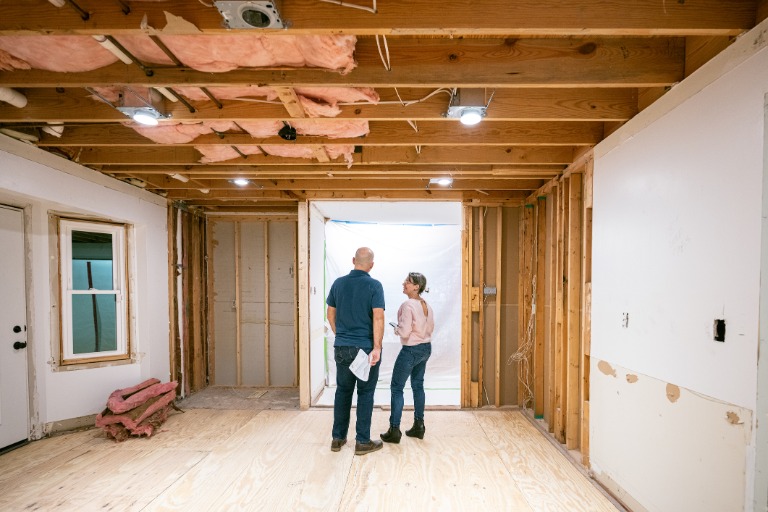
Many Mount Vernon fixer-uppers require buyers to assess space and scope before renovations begin.
The hardest part of buying a fixer-upper isn’t spotting what needs work—it’s understanding what that work really means after closing. This matters even more in Mount Vernon, where many homes were built decades ago, and updates often span multiple ownerships.
During a walk-through, it’s often hard to tell the age of the electrical or plumbing system, how much life the roof has left, or whether past repairs were temporary or lasting, because the highest costs are tied to systems you can’t fully assess in a single visit.
Evaluating a fixer-upper works best when you slow down enough to ask clear questions about age, maintenance, and condition. Those answers should guide your budget, timeline, and tolerance for disruption, so the decision reflects what owning the home will truly involve, not just how it looks on showing day.
WHAT MAKES A FIXER-UPPER A SMART BUY IN MOUNT VERNON?
Reviewing budgets and plans is a common step before moving forward on a fixer-upper in Mount Vernon.
A fixer-upper is a smart buy only when the work aligns with how homes in the area are actually priced. Once the work is done, the home won’t be judged on what it could have been, but on how it stacks up against other nearby homes with similar size, age, and condition.
Instead of reacting to surface details or getting pulled ahead by renovation ideas, it helps to stay grounded in how the home will function day to day and what ownership is likely to involve after the sale. When you approach a fixer-upper with that mindset, the process feels more deliberate, making it easier to move forward one step at a time.
1. Know the market limits
Before you decide what to fix, it helps to step back and understand how homes in Mount Vernon, IL, are priced and compared, because that context shapes what the market will actually support.
Every area reaches a point where additional upgrades stop changing demand or sale prices, and in Mount Vernon, that point often shows up in recent local sales. Homes that are updated to align with nearby properties tend to perform more predictably, while homes pushed beyond what surrounding sales support often face challenges later on.
As you tour homes around town, these market limits become more visible, especially in areas where housing age and condition vary from block to block, such as parts of downtown near The District, along Veterans Memorial Drive, or closer to North Wells Bypass near Mount Vernon Township High School. In these areas, buyers compare homes very locally, often looking at sales on the same street or within a few blocks.
2. Set your financial stopgaps
Fixer-uppers in Mount Vernon often need financing plans that account for repairs and upgrades.
When you define your financial limits before showings, you stop negotiating with yourself in real time and start evaluating each home against boundaries you’ve already set. Instead of reacting to list prices or mentally adjusting numbers as you walk through a house, check whether the deal still works once repairs, timing, and margin are factored in.
Start by setting a clear maximum purchase price that leaves room for repairs, even if negotiations don’t move much. This number should reflect what you’ve already learned about the Mount Vernon real estate market and what similar homes support once the work is done.
From there, define a renovation budget that includes a realistic buffer, since costs often change once work begins, especially in older homes where small fixes can uncover larger issues. Planning for an extra 10% to 20% above your expected renovation costs gives you flexibility without forcing rushed decisions later. Labor availability and material delivery in Southern Illinois can also affect both cost and timing, making a buffer especially important.
3. Evaluate the house by risk
Now, it’s time to spot issues that could raise costs, slow progress, or create pressure later. You can do this by thoroughly analyzing the house, starting with the items that carry the most weight and ending with those that are easier to manage once the basics are sound:
Structural and foundation concerns: Start at ground level, since problems here tend to affect everything else. Look for uneven floors, doors that don’t close properly, visible cracks, or moisture in basements or crawl spaces. When you see these signs, treat them as a reason to slow down and get clearer information before thinking about any other updates.
Roof, exterior, and drainage: Once the structure is good, turn your attention to how the house handles water. Check the roof condition, damaged shingles, worn siding or masonry, and how water moves away from the home. When these areas are weak, water problems can often resurface, even if the inside looks recently updated.
Major systems: Next, focus on the systems you use every day, including electrical, plumbing, and heating or cooling. Older panels, visible leaks, or systems near the end of their life may still work during a showing, but they often bring costs sooner rather than later.
Layout, permits, and renovation limits: After that, look at what can realistically be changed. Load-bearing walls, ceiling heights, and past work done without permits can limit renovation options. Projects that involve opening walls or changing systems may also require permits and inspections, which can affect both timing and cost.
Efficiency and interior condition: Finally, consider windows, insulation, and interior finishes. These affect comfort and monthly expenses, but they usually carry less risk than structural or system issues.
4. Make sure the home can be financed
Loans are approved based on what exists today, not on what you plan to fix later, so the condition during the showing plays a big role in the financing options available to you.
Some homes in Mount Vernon, IL, run into trouble because certain issues raise red flags for lenders. Problems like roof damage, active leaks, unsafe wiring, missing utilities, or major system failures can lead to repair requirements or stop a standard loan altogether. When that happens, renovation loans (such as the government-backed FHA 203(k) loan or specific conventional renovation options available in Illinois) can help by rolling purchase and repair costs into one loan. These options can work, but they also involve more steps, including contractor bids, inspections, and longer timelines.
A short conversation with a lender about the property’s condition can tell you which loan paths are realistic before you invest more time or energy. In Mount Vernon, renovation projects that involve opening walls or changing systems may also require permits and inspections, which adds time that lenders factor into the process.
5. Check the life fit
By now, you’ve already looked at the market, the numbers, and the risks, so this step is about how much disruption you can realistically live with and how that disruption may show up in your routine over time.
Noise, dust, blocked rooms, and shifting schedules can make simple tasks harder, especially when projects stretch longer than planned. Moving out can reduce some of that strain, but it adds cost and planning and isn’t always practical.
This is also where your role in the project matters most. If you’re planning to live in the home, the renovation will affect your daily comfort and quality of life. If you’re buying as an investment, timelines and exit plans may matter more.
Being honest about what you can manage helps you set clearer expectations before deciding whether the project truly fits your life.
6. Decide if the fixer-upper makes sense
In Mount Vernon, renovation timelines can extend when projects involve inspections, older materials, or coordinating trades across a smaller labor pool.
Now, the question isn’t how much work needs to be done, but whether the finished result—and the process required to get there—fits your financial situation, your time, and your personal capacity to see it through. A fixer-upper can look reasonable on paper and still be the wrong choice if the demands of the project stretch you too thin.
Renovations in Mount Vernon could take longer than you expect, especially when work goes beyond basic updates and involves permits, inspections, or coordinating multiple trades. Even well-planned projects tend to move in stages, with pauses between them, which means the cost of time—extended living arrangements, ongoing decisions, and delayed use of the home—becomes part of the equation, not just the dollar amount.
Instead of asking whether the home is worth saving, you’re asking whether the effort, stress, and duration of the project line up with what you’re prepared to manage. When those pieces are in balance, moving forward feels steady and intentional. When they aren’t, recognizing that early can save you from committing to a project that fits the numbers but not your life.
PRESSURE-TEST THE DEAL BEFORE YOU COMMIT
If you can move through this list and feel steady at each step, you’re likely ready to make an offer. If several answers still feel uncertain, that’s useful information. It usually means there are questions worth answering before you commit — or the fixer-upper might not be the right fit.
Do I understand the biggest risks, and which ones could change the deal?
You don’t need final quotes yet, but you should know which issues affect safety, financing, or long-term costs, and which ones don’t.
Does the repair plan feel clear, or does it keep growing every time I look closer?
Some surprises are normal, but the overall plan should feel more settled over time, not bigger and more confusing.
Does the financing work for the house as it is today?
After talking with a lender, you should know if this works with a standard loan, needs a renovation loan, or requires cash for certain repairs.
Have the loan and cash needs been confirmed?
If the deal depends on a specific loan type, down payment, or cash buffer, that should already be verified.
Do I have a realistic upside range based on nearby sold homes?
This should be a ceiling to plan around, based on recent local sales, not a best-case number from somewhere else.
Does the upside leave room for delays and surprises?
If the numbers only work when everything goes perfectly, the risk may be too high.
Do I know where the renovation plan stops?
You should be clear on what you’re fixing, what you’re leaving alone, and what you’re choosing not to upgrade.
Does the timeline work with my real life?
Think about work hours, family needs, pets, lease timing, and any firm move-in dates.
Do I know if I’m living in the home during renovations or moving out—and why?
Either option can work, but it should be planned in advance.
Does the day-to-day disruption feel manageable for how long it may last?
Consider noise, dust, blocked rooms, and how long those changes are likely to affect you.
Am I clear about my role in this project?
Whether you’re buying to live in the home or as an investment, your priorities should stay consistent.
Do I feel calm about this decision, or rushed into it?
A fixer-upper decision should feel steady, not pressured.
If this deal fell apart tomorrow, would I be okay walking away?
That reaction often shows whether you’re deciding from clarity or from pressure.
FAQs
How much work can a house for sale in Mount Vernon, Illinois, need before lenders won’t finance it?
Most lenders won’t finance a home if it has major safety or function problems at closing. Common issues include a damaged roof, active water leaks, unsafe wiring, missing plumbing, or structural problems.
What repairs tend to cost more than buyers expect in older homes in Mount Vernon, IL?
System repairs usually cost more than expected. Electrical, plumbing, roofing, and water damage often grow once walls or floors are opened. Cosmetic updates are easier to plan for. Hidden system issues are where budgets usually break.
Is it realistic to live in a fixer-upper while renovating?
It depends on the work. Light projects, such as painting or flooring, are usually manageable. Major kitchen, bathroom, electrical, or plumbing work can disrupt daily life for months.
When is a fixer-upper not worth buying, even at a low price?
A fixer-upper stops making sense when the numbers only work if everything goes perfectly. If repair costs start to match nearby finished home prices, or if financing and repair plans aren’t clear, the risk is usually too high.
What are the biggest red flags that should make me walk away from a fixer-upper?
Major structural issues, ongoing water damage, failing roofs, unsafe wiring, and unclear repair plans are strong warning signs. Feeling rushed or pressured to move forward is another signal to pause or walk away.
APPROACH YOUR DECISION WITH CLARITY
Cory Capps works with buyers to assess fixer-uppers across Mount Vernon before they commit.
Buying a fixer-upper is easier when you have someone guiding you who understands how these decisions play out locally and in real life. The right perspective helps you weigh risk, cost, and timing without feeling rushed into a call you’re not ready to make.
That’s what Capps Realty provides. Cory Capps brings a people-first approach shaped by years of working closely with others. He began his real estate career in 2017 and is now the Owner and Managing Broker of Capps Realty. As a lifelong Southern Illinois resident, Cory understands how homes in Mount Vernon, IL, are priced, how condition affects value, and how buyers and lenders respond when a home needs work.
If you’re considering a fixer-upper or deciding whether to move forward, you can talk it through directly with Cory. Call 618.231.6548 or message the team to connect with Capps Realty and take the next step with clarity and confidence.