


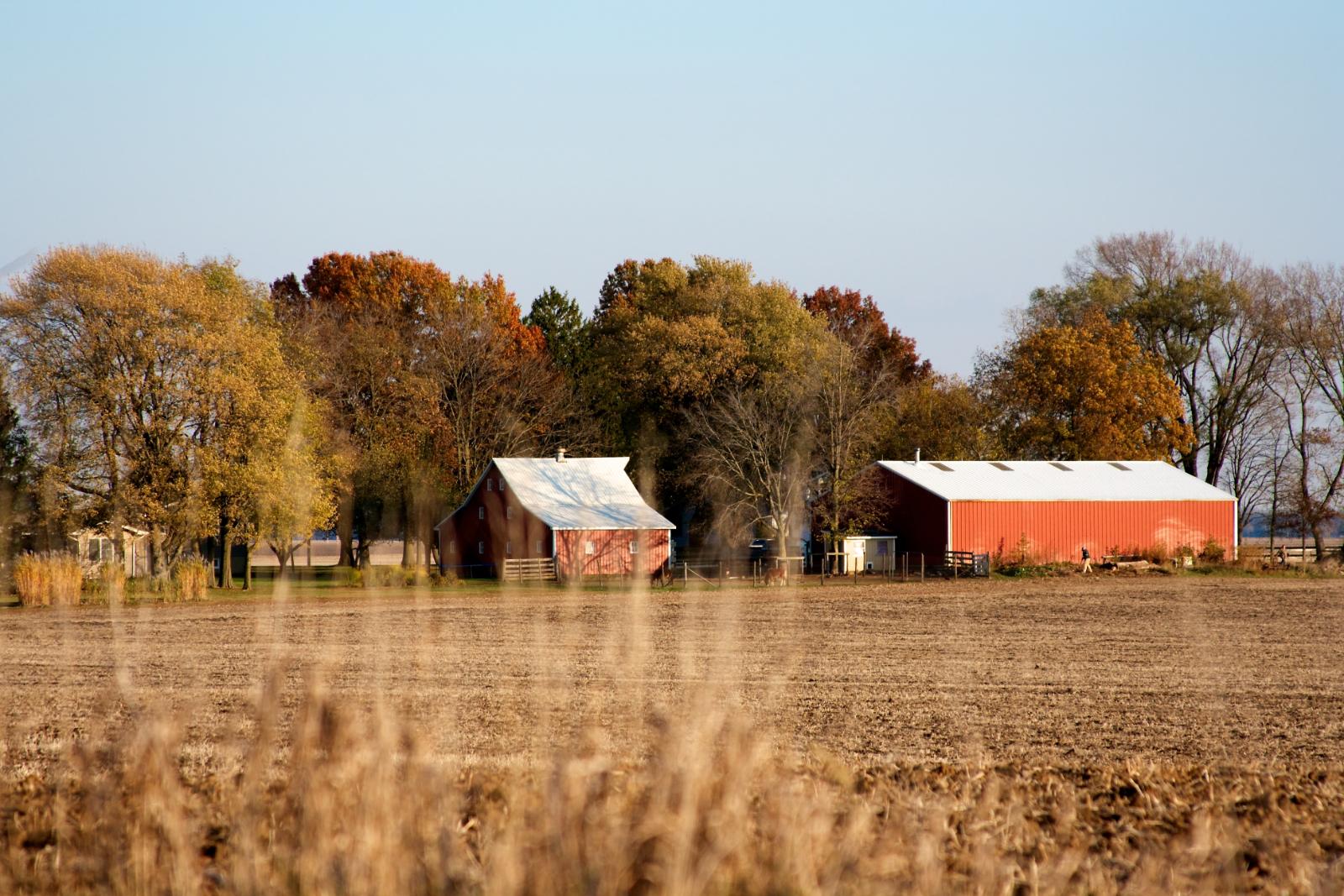
Acreage for sale in Jefferson County can support farming, recreation, livestock, or a future homesite.
Whether you want a larger backyard, room for a workshop, or a few acres of private timber, Jefferson County is one of the best places to buy land in southern Illinois.
Compared with many higher-demand farmland markets in northern and central Illinois, acreage around Mt. Vernon can offer a more accessible path to owning a custom homesite, mini-farm, recreational property, or private hunting retreat. With a mix of open ground, wooded acreage, and rural homesites, the area gives buyers room to spread out without moving too far from everyday conveniences.
Before you start scrolling through active listings, taking a few minutes to pinpoint exactly what you want out of your acreage will save you both time and money.
Table of Contents:
- Know your purpose before you start looking
- Decide between a residential lot, small acreage, and larger rural land
- Check zoning, land use, and restrictions
- Verify access, roads, and utilities
- Review soil, drainage, and buildability
- Estimate the full cost beyond the purchase price
- Build the right offer strategy
- Work with a local real estate expert
- FAQs
- Make a confident move on your acreage
KNOW YOUR PURPOSE BEFORE YOU START LOOKING
Every piece of land does something different. A wooded five-acre tract gives you great privacy but can’t be farmed, while a flat, open field is easy to build on but offers no cover for hunting. Because of these differences, starting a search without a clear goal makes it easy to waste time on parcels that look great on paper but don’t match your actual plans.
Before looking at land for sale in Jefferson County, IL, you should first figure out what you need the property to do. Common uses here include:
- Building a home, barndominium, or homestead
- Buying acreage for privacy and space
- Farming, raising livestock, or leasing out tillable ground
- Hunting whitetail deer and wild turkey
- Creating a weekend recreational retreat
- Holding the land as a long-term investment
- Setting up a workshop or small business
Once you know your goal, check for existing leases or use agreements before you sign a contract. In Jefferson County, rural parcels may already be used for crops, hay, pasture, hunting, timber, or access, and those rights may continue after closing unless addressed in writing.
Ask the seller, agent, or title company whether any written or verbal agreements exist, when they end, and whether possession will be delivered at closing. You can also review recorded documents through the Jefferson County Clerk & Recorder’s Land Records office and verify parcel details through the Jefferson County Assessor/GIS and Property Tax Inquiry tools. For farm leases, the University of Illinois’ farmdoc lease forms can help buyers understand common Illinois lease terms.
You also need to ensure the land can handle multiple uses if your plans evolve. A great hunting tract doesn’t always have a safe, buildable spot for a house. Similarly, a perfect homesite might not be big enough for riding ATVs. Look past a single pretty feature—like a nice pond—and make sure the layout of the entire property fits your vision.
DECIDE BETWEEN A RESIDENTIAL LOT, SMALL ACREAGE, AND LARGER RURAL LAND
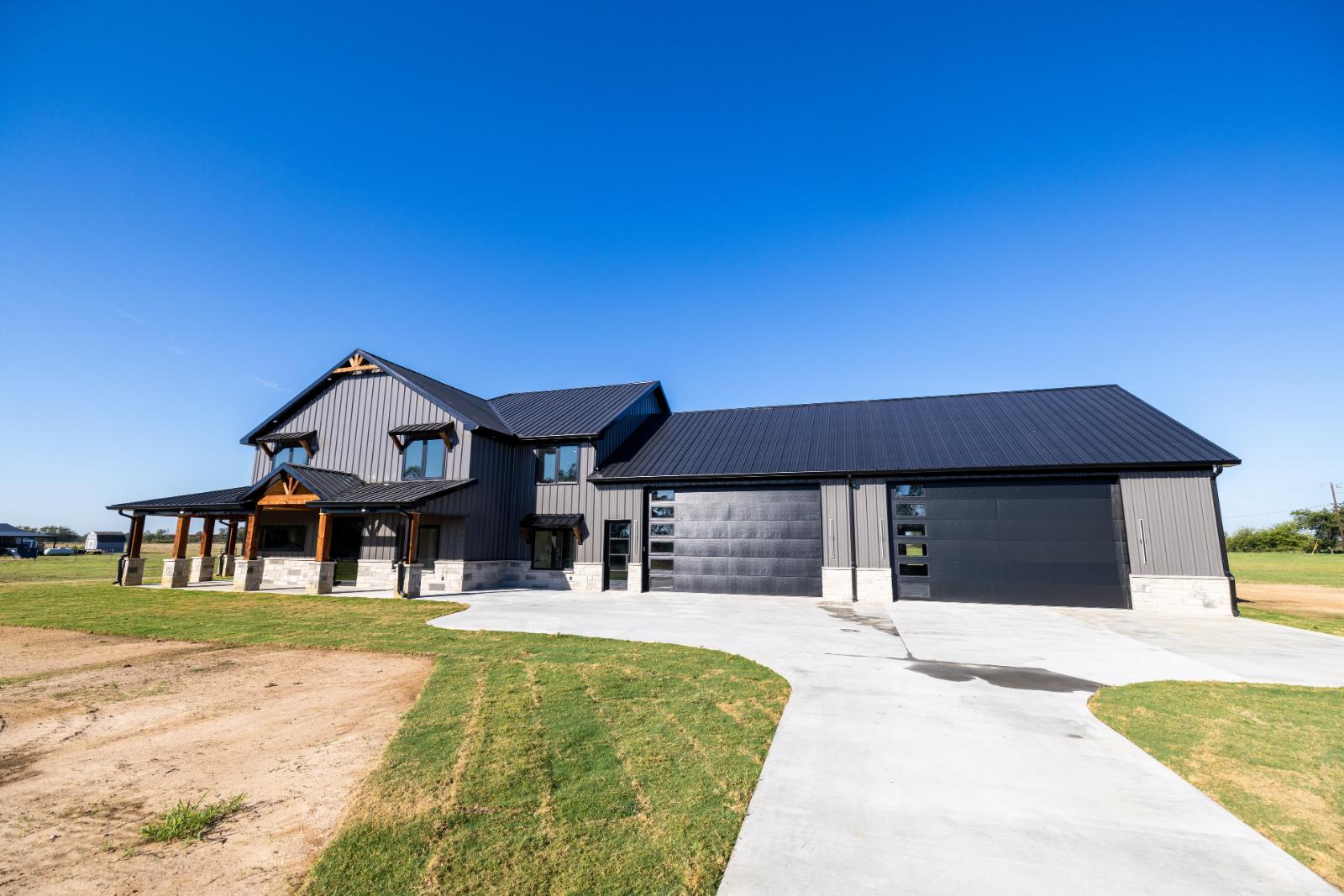
Buyers often choose land for sale in Jefferson County, IL, that can support a barndominium, workshop, livestock, or equipment storage.
Not every buyer in Jefferson County is looking for the same thing:
- Residential lots are the simplest starting point. They usually sit right next to existing roads and utilities, making the building process highly predictable and straightforward. You just need to check the local zoning rules and property lines before you clear the ground.
- Small acreage gives you more breathing room without taking on too much workload. These plots are perfect for a custom home, a barndominium, or a small pasture. The tradeoff is that you have to plan your own septic system, dig a long driveway, and handle your own mowing and fencing.
- Larger rural tracts offer total freedom but demand the most upkeep. A big piece of land is ideal for hunting, timber, or livestock, but it often comes with active crop leases, hidden creek beds, and trail maintenance that you’ll have to manage year after year.
| Building a barndominium
Barndominiums combine a home and a large workshop into a single steel or timber frame building. They’re very popular around Mt. Vernon for anyone wanting a practical country lifestyle. Before you buy a lot, make sure your plans align with local regulations and the reality of the soil. Ask these questions first:
|
CHECK ZONING, LAND USE, AND RESTRICTIONS
Zoning and land use rules determine what can legally be done with a property. While reviewing local ordinances might not be the most exciting step in buying land, it can save you from an expensive mistake down the road.
Land near Mt. Vernon typically falls under city zoning codes, which dictate building setbacks, accessory structures, and permitted uses. Further out in the county, the rules change to involve township guidelines, county ordinances, or recorded subdivision covenants. Even a highly rural setting can carry strict limits on animals, building sizes, or business activities. Because of these hidden rules, it’s never safe to assume a property allows a specific use just because the neighboring farm looks identical.
To protect the investment, it’s best to review:
- Current zoning classifications and permitted uses (residential, agricultural, commercial, or mixed-use)
- Minimum lot size requirements and building setback rules
- Limits on accessory structures, manufactured homes, or barndominiums
- Local rules regarding livestock, hunting, or recreational limits
- Commercial or short-term rental restrictions
- Deed restrictions, subdivision covenants, and recorded easements
| Understanding easements
An easement is a legal right that allows someone else to use a specific part of the land, such as a utility company running lines or a neighbor crossing a driveway. While utility easements are usually easy to manage, unrecorded “handshake” access causes major hurdles when trying to build, finance, insure, or resell property. Always verify that all access is legally documented. |
VERIFY ACCESS, ROADS, AND UTILITIES
A parcel may look perfect on a map, but it can become difficult or expensive to use if there is no dependable road access, unclear easement rights, or nearby utility connections. Figuring this out means looking closely at two different aspects of access:
- Legal access: Confirm the land touches a public road. If the path crosses a neighbor’s land, a recorded easement is mandatory. Always make sure it’s clear who pays for gravel, grading, and snow removal to avoid future disputes.
- Physical access: A narrow dirt trail may look nice, but concrete trucks, construction equipment, and moving vans need a wide, solid road. The path often requires clearing, widening, or proper culverts to cross drainage ditches before building can even begin.
Bringing essential services to raw land requires the same direct research before making an offer. Before you do so, you should map out what sits near the property lines and verify the details:
| What you need | What to know | How to check |
| Electricity | Check the distance to the nearest pole to avoid high extension fees. | Verify costs directly with local providers like Tri-County Electric. |
| Water & sewer | Determine if public lines are nearby or if a private well and septic are needed. | Contact public works to map the nearest connection points. |
| Septic | Approval depends entirely on soil conditions and slope. | Schedule a soil drainage test with the Health Department before closing. |
| Internet | High-speed broadband can be spotty outside of Mt. Vernon. | Check coverage directly with local providers, not listing notes. |
REVIEW SOIL, DRAINAGE, AND BUILDABILITY
Just because a piece of land is vacant does not mean it’s ready for a house. Whether you can actually build on a property depends entirely on the dirt, the water, and the layout of the ground.
Before making an offer, walk the property lines and look closely for hidden hazards that can ruin a building plan:
- Soil quality: The condition of the soil indicates how stable your foundation will be and whether the ground can support a private septic system.
- Seasonal water: Low spots and creek bottoms can flood unpredictably. Some wet zones are easy to spot after a heavy rain, but others only show up when the seasons change.
- Ground warnings: Watch for active warning signs like soft or spongy ground, washed-out dirt paths, standing water, or sudden changes in the types of trees and weeds.
Beyond what you can see on the ground, you also need to check the FEMA Flood Map Service Center to see if the property sits in a high-risk flood zone. A floodplain designation can restrict where you’re allowed to build, force you to buy expensive insurance, and impact your future resale value. Along with flood rules, the actual shape and landscape of the land will change your upfront digging and clearing costs:
- Sloped land gives you great views and extra privacy, but clearing, grading, and building a driveway on a hill will cost much more.
- Flat land keeps construction straightforward, but you might need to dig extra drainage ditches to keep standing water away from your home.
- Wooded land offers a beautiful, private setting, but cutting down trees and pulling out stumps adds a significant expense to your budget.
| Mapping out your space
If you’re planning a custom home or a barndominium, sketch out your layout before making an offer. Once you subtract property line setbacks, easements, and wet areas, your actual building space can shrink faster than you think. Getting a professional boundary survey is the safest way to confirm exactly where your property lines sit—and precisely how much usable acreage you are buying—before you sign. |
ESTIMATE THE FULL COST BEYOND THE PURCHASE PRICE


Remember to budget beyond the purchase price for surveys, utilities, site work, permits, and ongoing maintenance.
The sticker price on a plot of land is only your starting point. The true cost of the property includes everything required to make the land usable for your plans:
| Cost category | Specific items | Why it matters |
| Getting the land ready | Survey, soil testing, perc/septic tests, clearing trees, stump grinding, grading, and drainage | Confirms your exact boundaries and proves whether the dirt can physically support a home and septic system. |
| Bringing in utilities | Well installation, septic system, electric line extensions, propane tank, and driveway installation | Connecting to power and water is often the most expensive part of developing raw land. |
| Fees & paperwork | Building permits, title work, closing costs, and environmental or wetland reviews | Required legal steps before any machinery or contractors can start digging on the property. |
| Ongoing expenses | Property taxes, insurance, fencing, gates, and routine mowing or brush clearing | The hidden, long-term carrying costs of owning and maintaining the land year after year. |
| Project timelines | Permitting delays, utility company scheduling, and final municipal inspections | Time itself is a hidden cost. Contractor availability and unexpected bad weather can push schedules back by months. |
| Financing options | Higher down payments, land loan interest rates, or transition to construction loans | Raw land loans carry more risk for lenders, meaning you will face different terms than a standard home mortgage. |
| Future tax bills | Loss of agricultural assessments or timber exemptions upon building | Clearing land or putting up a home prompts local tax assessors to revalue the site, causing annual taxes to jump. |
While navigating these extra expenses can feel intimidating, you don’t have to cover them all out of pocket. Land loans do require a higher down payment than a standard home mortgage, but a local lender can easily help you transition a raw land loan straight into a construction loan when you’re ready to build.
BUILD THE RIGHT OFFER STRATEGY
A smart land offer reflects more than just the asking price. It should account for the property’s strengths, risks, and necessary inspections.
Some parcels cost more because they already have road frontage, nearby utility lines, and great soil. Other lots require you to spend a fortune clearing trees, digging driveways, or running power lines. You need to price those differences directly into your initial offer. A strong, protective offer should include:
- A realistic price: Base your number on recent local land sales, not guesswork.
- Inspection contingencies: Give yourself enough time to back out if the soil, septic, survey, or zoning reviews fail.
- Written agreements: Put everything in writing, including who keeps the current season’s crop income, when active farm leases end, and whether hunting stands stay on the property.
- Clear timelines: Set a realistic closing date that gives your lender and title company enough time to finish their paperwork.
WORK WITH A LOCAL REAL ESTATE EXPERT

Local insight helps buyers compare land, spot potential issues, and make stronger offers in Jefferson County.
Land rewards local knowledge. You can study online maps and listing photos all day, but those digital tools can’t replace real, on-the-ground experience.
The right real estate agent looks past acreage and price tags to protect your wallet:
- Valuing the dirt: Local sales data reveals why one plot is a better deal than another, breaking down the true cost differences between open farmland, thick timber, and hunting tracts.
- Spotting site pitfalls: A close look at the property catches hidden site-prep costs, uncovers tricky access or easement issues, and answers your zoning and utility questions before you buy.
- Targeting the right location: Clear tradeoffs help you choose between a convenient homesite near Mt. Vernon or a larger, less expensive lot farther out in the county.
- Managing the deal: Regular updates keep your property survey, soil testing, and septic inspections on schedule so your contract timeline stays safe.
FAQS
Are there small acreage properties for sale near Mt. Vernon, IL?
Yes, you can frequently find small acreage properties near Mt. Vernon for rural homesites, mini-farms, and wooded tracts. Before buying, check road access, utility availability, septic or sewer options, floodplain status, and any county or municipal rules that may affect how the land can be used.
What is the difference between a lot and acreage for sale in Jefferson County, IL?
A lot is usually smaller and may be located in or near a neighborhood where utilities are closer, although buyers should still verify service availability. Acreage gives you much more space and freedom, but it requires extra work to set up driveways, water, and waste systems.
Is raw land for sale in Jefferson County, IL, a good long-term investment?
Yes, raw land can be a good long-term investment if it has good road access, usable dirt, and a smart purchase price. It is a solid way to hold value while using the space for farming, hunting, or a future home.
How much land do you need to build a home near Mt. Vernon, IL?
The amount of land you need depends entirely on local zoning laws and the size of your septic system. A small neighborhood lot can work for a standard house, but you’ll need several acres if you want extra privacy or livestock.
What should buyers know about buying wooded acreage for sale in Jefferson County?
Wooded acreage is perfect for privacy and hunting, but it costs much more to clear out for a home. You need to budget extra money for removing trees, digging a driveway, and flattening the ground before construction starts.
MAKE A CONFIDENT MOVE ON YOUR ACREAGE
Buying land in Jefferson County is an exciting milestone, but protecting your money means looking past the online photos and checking every detail on the dirt before you sign a contract. Working with a calm, experienced guide makes it easy to cross every inspection off your list so you can lock in your property with total peace of mind. As a lifelong local and owner of Capps Realty, Cory Capps has been helping buyers navigate the real estate market in Mt. Vernon, Illinois, comfortably since 2017.
Whenever you’re ready to have a relaxed, no-pressure conversation or look at active listings, you can reach Cory at 618.231.6548 or via email to get your questions answered.